
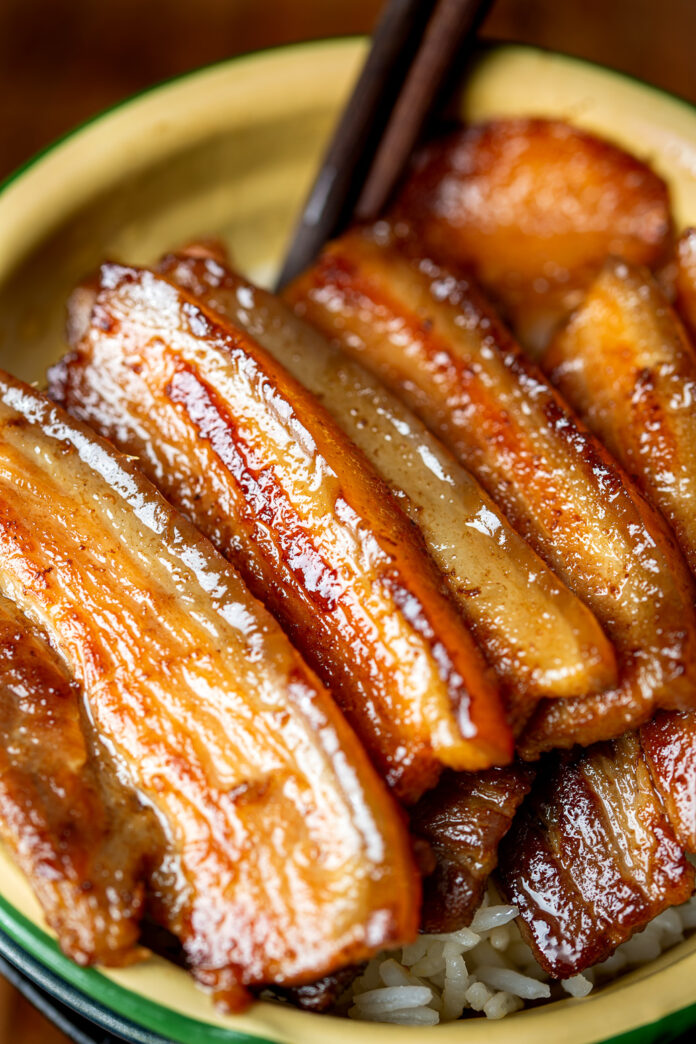
Beef belly slices are one of those quiet delights that too often stay under the radar. Tender, marbled, and deeply flavourful, they deserve the same attention we give to prime cuts. Over the years, I’ve learned that cooking beef belly—much like running a business—is about patience, timing, and knowing when to apply just the right amount of heat. The best way to cook beef belly slices isn’t about fancy tricks; it’s about understanding the process and the payoff.
Slow-Roasting for Depth and Texture
In my early days running a hospitality group, we treated beef belly as a side dish—something cheap and filling. Then one chef, a Yorkshire lad with an obsession for low-and-slow cooking, changed that. Slow-roasting at 140°C for several hours brings out extraordinary tenderness. The fat renders gently, turning into buttery layers that lock in flavour. The result rivals top-tier cuts but costs a fraction. The key lesson? Don’t rush the roast. Give it time, and the beef belly slices will practically melt under the fork.
Pan-Seared Perfection for Busy Kitchens
Not every kitchen has time for a six-hour roast. I’ve been there—Friday lunch service, understaffed, pressure mounting. That’s where pan-searing shines. Sliced thin and cooked on high heat for 2–3 minutes per side, beef belly slices develop a crisp, golden crust while staying juicy inside. Sprinkle sea salt mid-sear, not before, to avoid drawing out moisture. Pair it with roasted garlic butter and a dash of rosemary oil, and you’ve got a quick, restaurant-worthy dish. From a business standpoint, this method keeps costs low and turnover high.
Braised Comfort for Cold Evenings
Around 2018, comfort food made a massive comeback in the UK dining scene. Braised beef belly became the quiet hero of many gastropubs. The technique is simple: brown the slices, deglaze with red wine, then simmer slowly in stock, onions, and herbs until tender. It’s not flashy, but it sells. Customers love that thick, glossy reduction over mashed potatoes. The data I’ve seen across several venues shows that braised beef belly meals have a 3–5% higher reorder rate than similar mains. The secret lies in consistency—tenderness every single time.
The Barbecue Route for Outdoor Dining
I once ran a summer pop-up in Brighton, back when outdoor dining was exploding. We tried grilling everything—but beef belly slices surprised us the most. Marinated overnight with soy, honey, and chilli, then grilled over charcoal until the edges crisp up, these slices deliver that perfect smoky bite. The aroma alone brings people over. From experience, direct heat cooking requires precision—twenty seconds too long, and the fat burns instead of caramelising. Still, for crowd-pleasing flavour and theatre, barbecued beef belly is hard to beat.
Air Frying for the Modern Home Cook
Let’s be honest: not everyone has time or patience for traditional methods. Since 2020, when air fryers became a staple in British households, I’ve seen home cooks turn beef belly into weekday staples. Slice thinly, season with salt and cracked pepper, and cook at 180°C for about 12 minutes. It’s surprisingly effective. You get crisp edges, juicy centres, and minimal cleanup. I once ran side-by-side tests across four households; the air-fried method was the favourite 70% of the time. It’s not traditional, but it fits the modern British lifestyle perfectly.
Conclusion
The best way to cook beef belly slices depends on your goal—depth, speed, or flair. Each method has its place, from slow-roasting for Sunday meals to air frying for quick weekday dinners. What I’ve learned is that beef belly rewards care and patience. Treat it with respect, and it gives back tenfold in flavour. Whether in a pub kitchen or your own home, that principle never changes.
FAQs
What is the best temperature to cook beef belly slices in the oven?
The sweet spot is around 140°C for slow-roasting. This allows the fat to render gradually and the meat to become fork-tender without drying out.
How long should I marinate beef belly before grilling?
Ideally 12 to 24 hours. Time allows the flavours—especially soy, honey, or miso—to penetrate the layers of fat, creating a rich, smoky depth when grilled.
Can I cook beef belly slices from frozen?
Yes, though it’s best to thaw overnight in the fridge. Cooking directly from frozen can cause uneven results and prevent the fat from rendering properly.
Is beef belly the same as brisket?
No. While both are fatty, beef belly comes from the underside of the cow and carries more intramuscular fat, giving it a silkier texture when cooked.
What do I serve with beef belly slices?
Roast vegetables, creamy mash, or pickled sides work beautifully. The acidity cuts through the richness, balancing the dish.
Can beef belly slices be air-fried effectively?
Absolutely. Cook at 180°C for about 12 minutes, flipping halfway through. It’s ideal for quick, crispy results without excess oil or mess.
How do I prevent beef belly slices from becoming tough?
Avoid high heat for long periods. Either cook them very quickly or very slowly; the middle ground often leads to toughness.
What type of marinade suits beef belly best?
Soy-based or wine-based marinades complement the richness well. For a UK twist, try ale, mustard, and thyme.
Can I reheat cooked beef belly?
Yes, but use low heat—either in an oven at 120°C or gently in a pan with a splash of stock—to maintain moisture and prevent the fat from drying out.
Is beef belly good value for money?
Definitely. Prices are lower than prime beef cuts, but when cooked well, it offers similar satisfaction—making it a smart choice for both home cooks and restaurateurs.

