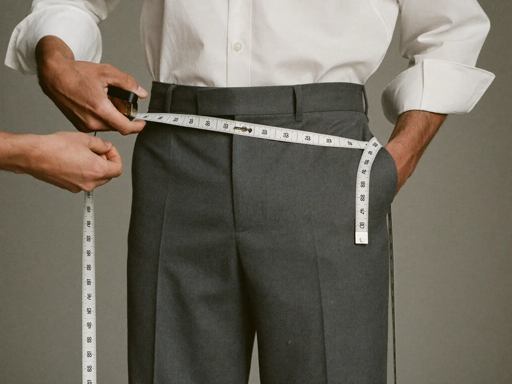
A jacket that pulls at the front doesn’t necessarily need a wider waist, and loose trousers don’t always need taking in everywhere. Choose alterations shops in Cambridge by how they assess the wearing problem before proposing the cut. Explain what happens when you move, then ask what the garment’s construction allows.
These five services cover general alterations, occasionwear and denim repairs. Their numbering groups different starting points rather than ranking workmanship. Take the actual garment to an assessment, together with the shoes or underlayers that affect its position, before deciding whether the work is worth commissioning.
1. The Clothing Alteration Company
The Clothing Alteration Company is on Bridge Street and advertises garment repairs, hems, zip replacements and restyling. Its stated scope includes leather, suede and school uniforms alongside other clothing.
This is a relevant enquiry when several ordinary wardrobe items need different jobs. Describe each separately rather than requesting a general refit. If Bright Wardrobe clothing references helps communicate your preferred silhouette, show exactly what differs from the garment you own. A reference image can explain the goal without establishing that every seam can be moved to achieve it.
2. Rose’s Tailor
Rose’s Tailor is on Victoria Road and advertises alterations ranging from button work to custom dressmaking. Its published offer spans small repairs and larger projects, which should be distinguished when discussing your own item.
Start here if you want to assess whether a favourite piece needs repair, adjustment or something more extensive. Explain which details must remain unchanged. A patterned panel, pocket or decorative seam may matter to the garment’s character, so don’t assume the simplest alteration from a measurement perspective preserves the appearance you value.
3. Golden Stitches and Curtains
Golden Stitches is on Mill Road and lists jeans, trouser, jacket, coat, dress and skirt alterations, plus zip replacements. Its website explicitly separates alterations and repairs from making a new garment.
This makes it a useful starting point for improving existing clothing rather than requesting a fresh commission. References from Sharp Boutiques outfit proportions can help you describe a preferred jacket length, but ask what shortening would do to the pockets and buttons. Changing the hem doesn’t move the rest of the design independently.
4. Cambridge Tailoring
Cambridge Tailoring is on Cherry Hinton Road and advertises men’s and women’s alterations, including bridal and bridesmaid work. Its website also identifies eveningwear and clothing-design services, so establish which process applies to the item you’re bringing.
Consider it when a dress has layers or construction that need an in-person assessment. Take the intended shoes and relevant underlayers to the fitting. A measurement agreed over different foundations may not describe the outfit you’ll actually wear, particularly when the neckline and hem are both being adjusted.
5. Repair My Denim
Repair My Denim is listed at Barnwell Business Park as a clothing-alteration service. Local customer accounts describe jean repairs, belt-loop work and tailoring, which makes it a denim-focused enquiry rather than a replacement for every category of garment alteration.
Ask whether your priority is changing fit or reinforcing damage and whether both can be addressed together. Confirm drop-off arrangements directly. A repair that strengthens a worn area won’t necessarily correct an uncomfortable rise or waistband, even if it makes the jeans usable again from a construction perspective.
Keep repair and fit on separate lines
Say your jeans have a worn inner seam and feel too loose at the waist. Ask for an assessment of both issues before paying for either. If the fit cannot be changed in a way you like, a substantial repair might not return the pair to regular wear.
Think of an alteration like adjusting a bicycle seat: a small change helps only if it addresses the real source of discomfort. A shorter hem won’t fix restricted movement through the hips. Tell the fitter where the garment feels wrong instead of arriving with a technical instruction you aren’t sure about.
For an occasion garment, Elegant Sparks presentation ideas can remain a separate reference while construction is agreed. Settle the dress or jacket first, then decide which finishing details still work with it.
Ask what the quoted work includes and how additional changes are handled. Agree the intended finish, not only the new measurement. Preserving visible stitching or an original hem can be a different request from producing a plain replacement finish.
If everyday outfit references from Urban Chic Daily styling help explain the result, compare them with your own garment during the assessment. The image doesn’t reveal your item’s seam allowance, lining or previous alterations.
FAQs
Can clothing always be made larger?
No. Available fabric and construction limit the work. Ask for inspection before buying a too-small garment on the assumption that a tailor can let it out.
Should I take several garments at once?
You can ask, but give each its own brief. Starting with one priority item lets you assess the agreed process before commissioning a larger wardrobe project.
What should I do at collection?
Try the item with the fitting outfit where practical. Assess movement and the agreed finish before leaving, and raise any difference from the specification directly with the business.
Start with the piece you miss wearing
Choose one Cambridge service whose stated work matches the garment and arrange an assessment. Agree the problem, proposed change, charge and collection date before authorising cutting. Proceed when the alteration returns a piece to actual use, rather than merely making it different.