
Recent boardroom discussions and budget previews have turned fresh attention to what consolidate means in finance, as governments and corporations alike navigate tightening fiscal paths amid stabilizing rates. Wall Street pipelines bulge with mega-deals projected for this year, while central banks press for structural primary balances that sharpen economic edges. Parent companies merge subsidiary ledgers under one view, debt holders bundle obligations into single streams—moves that promise clarity but carry execution risks. This renewed curiosity stems from 2025’s rebalancing, where high cash reserves now fuel aggressive growth plays, forcing executives to weigh unified reporting against fragmented realities. Observers note how consolidation reshapes balance sheets in real time, with IMF consultations and federal drafts underscoring the push. Yet the term’s breadth—from accounting merges to loan rollups—leaves room for interpretation in volatile markets. As pipelines swell, the mechanics of what consolidate means in finance gain urgency, revealing both efficiencies and hidden frictions in today’s landscape.
Accounting Consolidation Processes
Data Collection from Subsidiaries
Parent firms dispatch standardized packages to units worldwide, pulling adjusted trial balances alongside core statements. Each subsidiary lists final general ledger figures, capturing assets through equity without preliminary tweaks. Timing mismatches arise when fiscal years diverge, prompting interim pulls or policy alignments.
Multinationals face currency swings that demand spot conversions, layering exchange adjustments atop raw data. Packages often bundle footnotes and reconciliations, flagging intercompany quirks early. Without this groundwork, later merges falter on mismatched ledgers.
Teams verify completeness via checklists, cross-checking against prior closes. Gaps trigger follow-ups—phone tags across time zones that stretch deadlines. Once gathered, data funnels into central hubs, setting the stage for normalization.
Normalization and Mapping Adjustments
Account charts vary wildly between entities, so mappers align revenue lines to parent formats. A subsidiary’s “sales” might split into parent’s “product” and “service” buckets, requiring granular reallocations. Depreciation methods clash too—straight-line versus units-of-production—forcing uniform recalcs.
Policy harmonization hits inventory valuations hardest, where FIFO units meet LIFO holdouts. Adjustments ripple through cost of goods, tweaking gross margins upstream. Foreign ops introduce hyperinflation tweaks under IAS 29, bloating asset bases temporarily.
Review layers catch outliers, like unexplained spikes in accrued liabilities. Normalized sets then feed trial balances, primed for aggregation. This step, often manual in smaller groups, exposes why software vendors tout automation.
Intercompany Elimination Entries
Duplicates vanish here—parent loans to subs debit one side, credit the other, netting to zero externally. Sales between siblings inflate revenue artificially; elims strip both top-line and cost matches. Unrealized profits on inventory transfers get deferred, shielding consolidated earnings.
Complex webs emerge in triangular trades, where A sells to B, who flips to C—all under one roof. Reckoning traces full chains, apportioning gains across periods. Equity pickups reverse too, nulling investment accounts against sub capitals.
Minority stakes complicate shares; non-controlling portions stay, but group slices fully integrate. Audit trails log every entry, vital for regulator probes. Oversights here balloon assets, inviting restatements down the line.
Generating Unified Trial Balances
Aggregated lines sum post-elim, yielding a master trial balance that balances by design. Assets stack from cash hoards to intangibles, liabilities layer short-term debts over bonds. Equity blends parent shares with post-acquisition sub earnings, carving out non-control.
Goodwill crystallizes from purchase premiums, tested yearly for impairments that could slash values. Deferred taxes arise on fair-value uplifts, timing differences that span years. Cash flows reconcile operating to investing, bridging statement gaps.
Final tweaks address contingencies, like pending litigations provisioned variably. This balance sheet core anchors income and equity statements, ready for stakeholder eyes. Precision matters—off by pennies, trust erodes.
Review and Compliance Checks
Scrutineers comb for anomalies, ratio tests flagging leverage jumps or margin shrinks. Analytical reviews pit current against priors, hunting unexplained variances. External auditors sample entries, probing high-risk areas like foreign conversions.
GAAP or IFRS dictates disclosures—segment notes, related-party tables that flesh out the picture. SOX mandates controls documentation, certifying process integrity. Boards sign off post-committee huddles, greenlighting releases.
Lingering issues loop back to sources, delaying closes by days. In rush seasons, overtime blurs lines between compliance and haste. Clean sails mean reliable views for lenders and investors alike.
Debt Consolidation Strategies
Bundling High-Interest Obligations
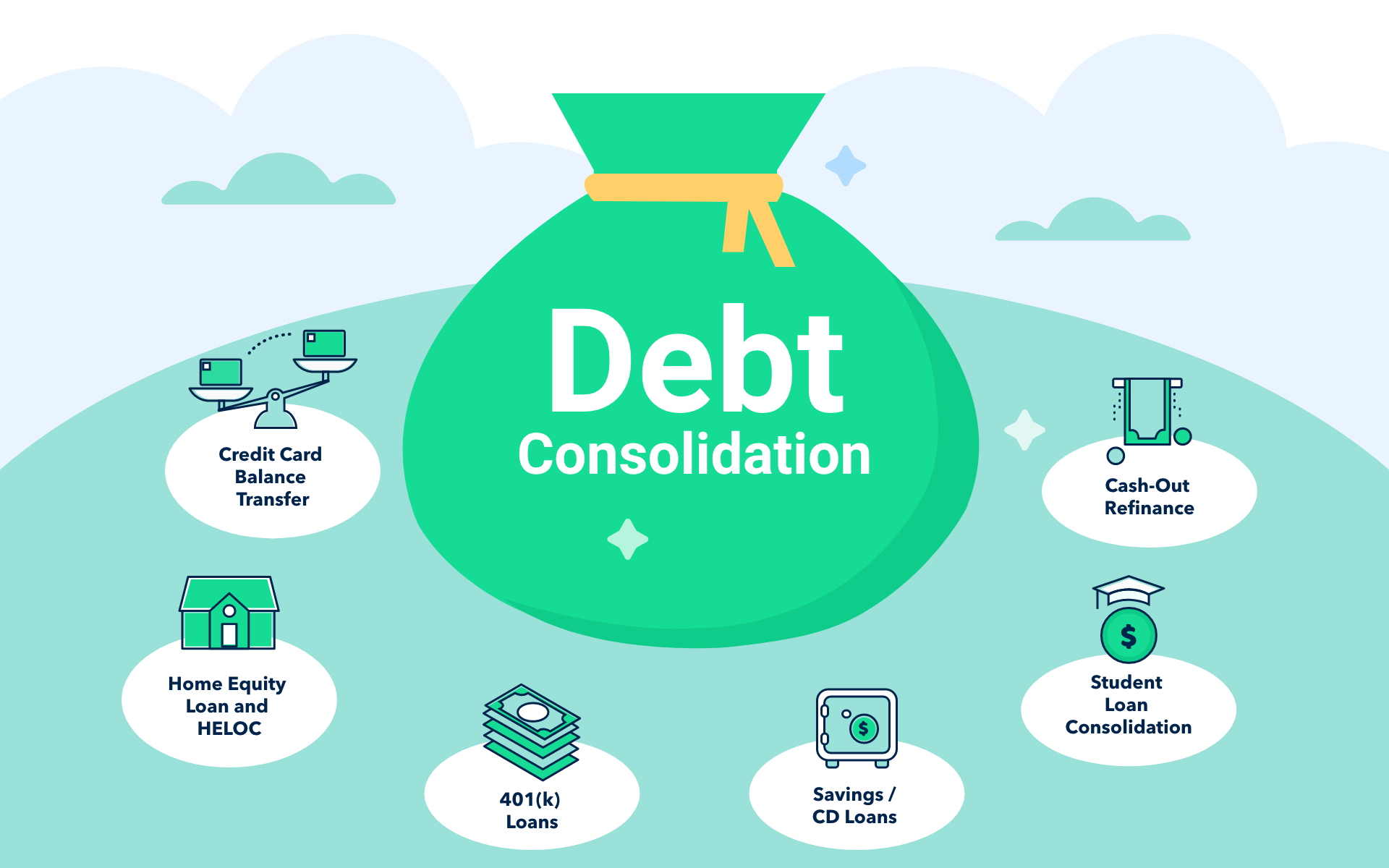
Borrowers eye credit cards at 23% averages, rolling them into fixed-rate loans around 14%. Balances from multiple issuers consolidate under one note, slashing monthly outflows. Lenders assess via scores and debt loads, approving lumps up to $100,000.
Home equity taps property values for lower spreads, but liens risk foreclosures on defaults. Personal unsecureds avoid collateral yet command higher yields. Approval hinges on stability proofs—income stubs, bank runs.
Payoffs cascade sequentially, closing old accounts to curb reuse. This streamlines budgeting, though origination fees nibble savings. Trends show 13 million takers last year, up 20%, signaling broader reliance.
Loan Types and Qualification Paths
Personal loans lead for flexibility, terms from 24 to 84 months tailoring payments. Balance transfers via cards offer 0% intros, but cliffs loom post-promo. HELOCs draw as needed, blending revolving access with equity security.
Bad-credit seekers hit subprime rates near 36%, yet structured programs rebuild via autopays. Co-signers bolster weak profiles, sharing liability rings. Online platforms instant-quote sans pulls, easing shopping.
Secured variants pledge vehicles or savings, dropping APRs below 10%. Volume surges in economic squeezes, per bureau data. Choices pivot on risk appetites and asset shields.
Repayment Term Calculations
New principals amortize over chosen horizons, blending interest down principal up. A $20,000 note at 12% over 60 months hits $444 monthly, totaling $6,640 extra. Shorter spans spike payments but curb total costs.
Early payoffs dodge penalties in many, accelerating equity builds. Refis chase drops as rates ease toward 3.25% terminals. Calculators project break-evens, weighing fees against savings.
Balloon structures defer bulks, suiting flip strategies. Discipline falters without auto-debits, reverting habits. Long views balance liquidity against creep.
Credit Impact During Rollups
Inquiries ding scores temporarily, multiple shops compound hits. Closures shorten histories, though utilization plunges post-payoff. On-time new payments rebuild fast, outpacing prior delinquencies.
Secured drops free credit lines, paradoxically lifting ratios. Monitoring flags errors, disputes clearing shadows. Rebuilt profiles unlock primes later.
Utilization under 30% emerges as sweet spot, guiding future borrows. Trade-offs weigh short pains against sustained gains.
Risks in Over-Leveraging
Lower payments mask extended exposures, where 20-year HELOCs stretch burdens. Variable rates rebound on hikes, erasing initial wins. Fees stack—origination at 5%, appraisals extra.
Missed singles snowball via penalties, credit spirals. Equity strips cushion foreclosures but erode nests. Discipline lapses revive cycles.
Market shifts amplify; recessions crimp refinances. Prudence demands buffers, not max-outs.
Corporate Consolidation Through M&A
Merger Mechanics and Legal Forms
Statutory merges dissolve targets into acquirers, assets flowing seamless. Consolidations birth new shells, both priors vanishing. Hostiles force boards via premiums, tenders bypassing consents.
Due diligence unearths skeletons—litigations, off-books debts. Valuations blend DCF with comps, premiums averaging 30%. Regulatory nods from FTC, SEC gate keeps.
Closing transfers titles, integrates IT backbones. Synergies project cost peels, revenue upsides.
Acquisition Accounting Treatments
Purchase method fair-values assets, goodwill filling gaps. Contingents accrue on probabilities, hitting earnings variably. Bargains reverse to gains, rare birds.
Integration phases amortize intangibles, impairments loom on flops. Pushdowns optional at subs, simplifying ledgers. Disclosures detail rationals, impacts.
Post-deal, earnings accrete or dilute per exchanges. Tracking separates organic from bolt-ons.
Post-Merger Integration Challenges
Cultures clash—command styles versus collaboratives. Layoffs ripple morale, retention bonuses stem flights. Systems migrate in waves, dual-runs bridging gaps.
Supply chains reroute, vendors renegotiate. Customers watch warily, churn risks spike. Metrics track synergies realization, often lagging promises.
Leadership duels resolve via exiles, boards reshuffle. Patience tests as frictions mount.
Regulatory Hurdles in Mega-Deals
Antitrust scans overlaps, HHI thresholds trigger reviews. National security flags CFIUS for foreigners. Multi-jurisdictions chain approvals, timelines stretch quarters.
Remedies carve divestitures, preserving competitions. Political winds sway—elections pivot enforcements. Filings detail footprints, prepping defenses.
Cleared paths unlock scales, blocked ones pivot strategies.
Synergy Realization Timelines
Cost savings hit quick—headcount trims, facility shuts. Revenue cross-sells lag, trust builds slow. Full captures span 2-3 years, trackers dashboard progress.
Under-delivery prompts writedowns, investor suits. Benchmarks guide—top quartile nets 15% ROIC bumps.
Fiscal and Portfolio Consolidation
Government Budget Consolidation Paths
Drafts target deficits at 4.3% GDP, trimming debt ratios via capex pushes. Revenue hikes close loopholes, spending caps cull staffs. IMF urges state inclusions, federal tensions brew.
Trajectories project 55% debt-GDP by next year, welfare balances growth. Commissions reform securities, efficiencies eyed. Borrowings rise 15%, funding ramps.
Politics intrude—elections test resolves.
Investment Account Streamlining
Retirement rollups merge 401(k)s into IRAs, fees drop, views unify. Duplicates cull, allocations rebalance. Tax locators site bonds in shelters.
Household scans aggregate, spotting sector tilts. Tech overlays aggregate positions, AI flags drifts. Visibility curbs overlaps, boosts after-tax.
Consolidators centralize, advisors holistically steer.
Multi-Entity Reporting Standards
IFRS 10 mandates controls, US GAAP parallels. Segments disclose revenues, geographies layer risks. ESG weaves in, sustainability metrics consolidate.
Software automates, markets grow 9% CAGR. Clouds enable reals, audits trail. Standards evolve, AI aids compliance.
Tax Implications of Consolidation
NOLs carry forward, limits cap uses. Intercompany pricing arms-lengths, adjustments defer. State nexuses multiply, apportionments fight.
Group reliefs offset losses, elections bind. Restructures trigger gains, basis steps up. Planners model nets, minimizing drags.
Future Trends in Consolidation Tech
AI predicts elims, blocks anomalies. Clouds scale globals, integrations API swift. ESG modules standardize, regulators nod.
Markets double to $6.5B by decade end. Banks consolidate IT pre-merges, risks mitigate. Pipelines swell, tools race.
The public record lays bare how what consolidate means in finance threads through ledgers, loans, and legislatures, yet ambiguities linger in executions and outcomes. Accounting merges yield unified truths, but intercompany knots defy full untangles without tech leaps. Debt bundlers promise reliefs, though over-extends haunt cycles anew. M&A surges reshape industries, synergies materializing unevenly amid culture wars. Fiscal paths chart deficits down, political crosswinds assured. Portfolios streamline for clarity, taxes complicate the math.
Unresolved hangs the 2026 pipeline—mega-deals teed up, rates easing, regulators watchful. Will consolidations deliver scale without monopolies, or spark busts? Borrowers flock to loans amid consumer strains, sustainability reporting adds layers. Tech races to automate, but human oversights persist. Boards face calls to prune or bulk, investors parse signals. Forward, these mechanics will test resolves in uncertain airs, outcomes hinging on disciplines yet unproven.