
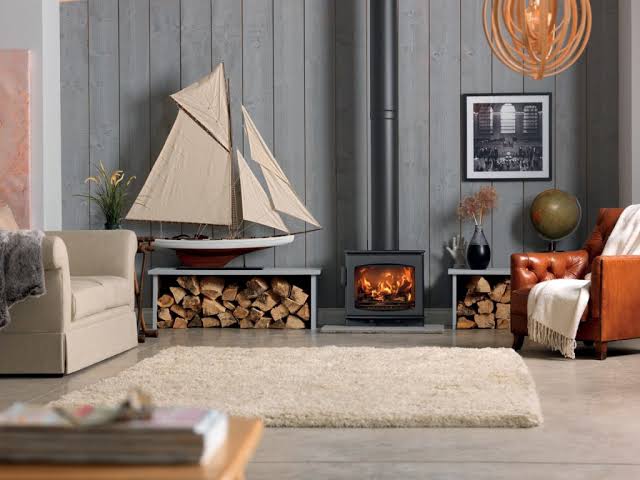
A wood burner that worked last winter can still need attention before its next fire. Check its maintenance, air supply and operating instructions while everything is cold. I would resolve missing records or unexplained smoke before lighting it, rather than see whether the problem returns. These seven checks put wood burner safety ahead of the first evening’s heat.
1. Identify what is actually installed
Find the make, model, manual and installation records. A wood burning appliance and a multifuel stove may look similar but accept different fuels. The instructions should explain the permitted fuel, air controls and loading method.
In England and Wales, solid fuel installation work requires the appropriate building control notification route, either directly or through a relevant competent person scheme. Scotland and Northern Ireland have separate arrangements. Missing paperwork calls for investigation, not an assumption that an existing fireplace makes any stove suitable.
2. Read the last maintenance findings
Look beyond the appointment date to the actual observations. Was a damaged component identified? Did the sweep recommend further investigation? A receipt does not show that an unresolved defect was repaired.
HETAS recommends sweeping at least twice yearly for wood, with a suitable schedule reflecting use and deposits. Stove servicing and chimney sweeping are different jobs. General bookmarks such as trendsarchive.co.uk belong apart from these records, so you can retrieve the appliance’s own findings without searching through unrelated reading.
3. Review changes to the room’s airflow
New windows, draughtproofing, extensions and extractor fans can change the conditions around an existing stove. Mention alterations when arranging an assessment. Combustion needs an adequate air supply, while the flue must carry gases away.
Keep permanent ventilation open. Covering a grille because it feels draughty can undermine the installation. Practitioner guidance from Stove Specialists UK also highlights that a new flue liner does not itself supply combustion air. Those are separate parts of the same safety problem.
4. Check the fuel and its storage
Use dry wood that the manufacturer permits, not painted timber, treated offcuts or rubbish. Store it so it stays dry. In England, wood sold in quantities below two cubic metres must be Ready to Burn certified, indicating moisture content of 20% or less.
Check local smoke control restrictions too. Wood requires an appropriate exempt appliance in a smoke control area. A fuel’s certification and a stove’s exemption answer different questions; one cannot stand in for the other.
5. Keep the heat zone clear
Inspect the cold appliance for cracked glass, deteriorated seals or loose parts, and arrange suitable repairs. Follow the specified clearances for both the stove and flue. A wooden beam can be a problem even when it sits above rather than beside the appliance.
Move logs, baskets and drying clothes away from hot surfaces. Home styling articles on londonlisting.co.uk are a separate matter from those measured clearances. I would settle the installation requirements before deciding where a decorative basket or chair should stand.
6. Include alarms in wood burner safety
Check that smoke detection and a suitable carbon monoxide alarm are working, correctly positioned and within their service lives. Test them according to their instructions. Neither device corrects a blocked flue or inadequate ventilation.
Keep the alarm’s model details and replacement date. Product publicity, including an appearance on prdirectory.co.uk, does not establish which alarm is fitted or whether it is still serviceable. The label and relevant manufacturer’s documentation answer those questions.
Treat old installation paperwork as a record of work at a particular time, not proof that nothing has changed. Later alterations, damaged components and overdue maintenance still matter. When inheriting a stove with a property, ask the professional to explain the current condition as well as the paperwork.
7. Agree the stopping point before lighting
Know the lighting, refuelling and shutdown procedure in the manual. Do not improvise unfamiliar air settings. If smoke enters the room, stop using the stove and arrange investigation.
If a carbon monoxide alarm activates, get everyone outside immediately and obtain emergency advice. Call 999 for a suspected chimney fire or serious poisoning symptoms. Do not restart because the alarm has fallen silent; establish and address the cause first.
Use appliance instructions and competent professional advice; leave immediately for a CO alarm and seek appropriate emergency help.