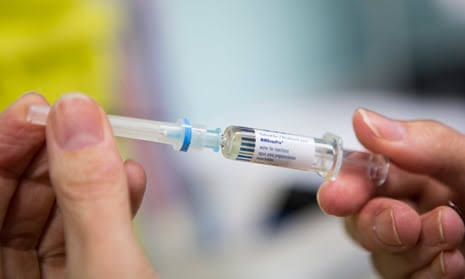
MMR vaccination protects against measles, mumps and rubella, while the newer MMRV vaccine also protects against chickenpox. Both provide measles protection. If you suspect measles, call the GP before attending; do not sit in a waiting room without warning staff. I would treat a possible exposure and a routine vaccination check as different tasks, because some contacts need prompt advice rather than the next available ordinary appointment.
1. Why does measles still need attention?
Measles spreads easily through breathing, coughing and sneezing. It can cause complications including pneumonia and inflammation affecting the brain. Babies, pregnant people and those with weakened immunity need particular protection, but serious illness is not confined to those groups.
Infectiousness begins around four days before the rash and continues for four days afterwards. Someone can therefore spread it before the familiar skin changes appear. Avoid using the absence of a rash as proof that an unwell close contact cannot be infectious.
2. What does MMR vaccination involve now?
Two doses give long-term protection. In 2026, MMR remains the catch-up vaccine for adults and older children born on or before 31 December 2019. Younger children are offered MMRV under birth-cohort arrangements introduced this year.
For children born from January 2025, routine MMRV doses are at 12 and 18 months. Other cohorts have transition arrangements. A mention on liverpooltribune.co.uk cannot tell you which doses your child needs; ask the practice to check the birth date and actual vaccination history together.
3. What if I cannot find my vaccination record?
Ask your GP surgery to review its records and bring any written evidence from previous practices, schools or overseas providers. Do not assume a single injection at school completed the two-dose course. Equally, do not invent dates to fill a gap.
Adults can catch up through the NHS if needed. The GP will advise on the appropriate product and timing. If travel is imminent, mention the departure date early, because protection is not immediate after vaccination.
4. Which symptoms should prompt a call?
Measles commonly begins with a high temperature, cough, runny nose and red, watery eyes. A rash follows, often starting on the face or behind the ears before spreading. It may be harder to see on brown or black skin.
Contact the GP urgently if measles is suspected and explain that before arriving. The GP telephone-preparation article at sheffieldvoice.co.uk recommends a symptom timeline; here, include when fever and rash began, vaccination history and any known exposure. Do not rely on matching one photograph online.
5. What should I do after close contact?
Seek prompt advice if an exposed person has not had two doses or previous measles, is pregnant, has weakened immunity or is a baby under one. Preventive treatment may be time-sensitive. Do not wait for symptoms before asking whether protection is needed.
Live MMR vaccination is unsuitable during pregnancy and for some people with weakened immunity. Staff need that information to choose the correct response. A routine vaccine booking is not a substitute for reporting a recent exposure.
6. How long should someone stay away?
Stay off nursery, school or work for at least four days from rash onset, following the clinician’s or public-health team’s counting instructions. Avoid vulnerable contacts. Some people, particularly those with immune problems, need individual advice.
A general page at nottinghamtimes.co.uk does not override a public-health instruction for your situation. Tell the school or employer what the healthcare team advised without sharing unnecessary personal information about other contacts.
If the vaccination appointment falls during an illness, tell the service about a high temperature or feeling very unwell. A minor illness without fever does not necessarily prevent vaccination. Bring the questions you want answered and relevant allergy information, so the team can assess suitability without confusing a temporary postponement with a permanent reason not to vaccinate.
7. What if I have vaccine concerns?
Ask about ingredients, previous reactions and expected side effects before consent. NHS guidance states there is no link between MMR and autism. Serious allergic reactions are rare, but tell staff about previous anaphylaxis. A clear discussion should finish with the right vaccination or exposure plan, not another indefinite postponement.
This article provides general information, not individual medical advice; follow the relevant healthcare or public-health guidance for your circumstances.