Shoulder placement quietly controls how polished many shirts, jackets, and coats appear. Drooping shoulder seams can make a garment look oversized even when the chest and sleeves seem acceptable. Before changing the entire outfit, check whether the seam is designed to extend beyond the shoulder or whether the garment simply needs a more appropriate size or cut.
Find the Natural Shoulder Point
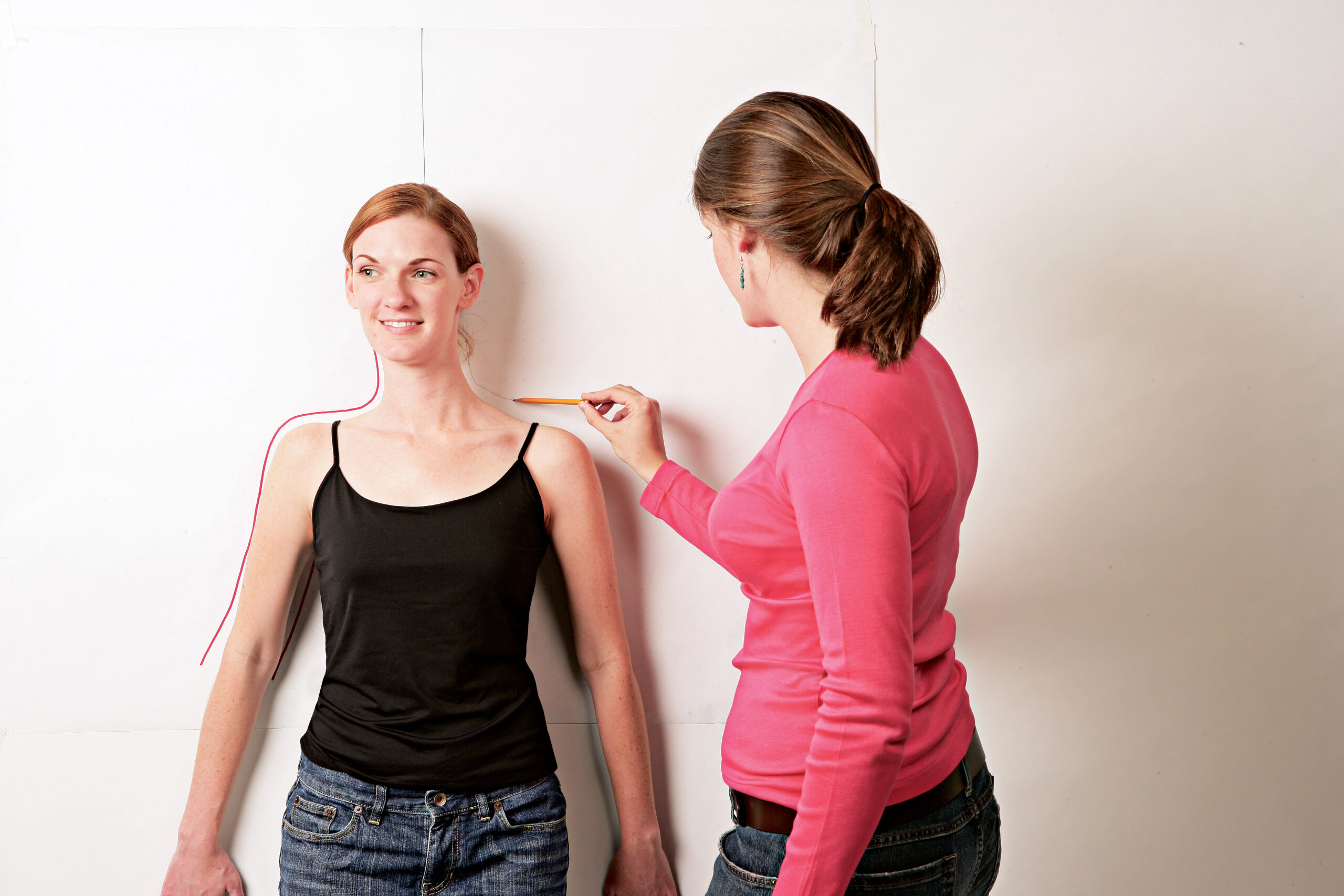
On a traditionally fitted garment, the shoulder seam usually sits close to the point where the shoulder begins to curve down toward the upper arm.
If that seam falls well below the natural shoulder, the garment may be too wide. But construction matters because relaxed, drop-shoulder, and oversized designs intentionally place the seam lower.
Compare Both Sides
Uneven posture, the way you carry a bag, or a garment that has twisted can make one side appear lower than the other. Smooth the fabric and check the fit from the front and back.
A consistent drop on both sides is more likely to reflect garment design or sizing.
Decide Whether the Oversized Shape Is Intentional
Many contemporary tops deliberately use dropped shoulders to create a relaxed silhouette. In that case, sizing down may change the intended drape and make the chest or sleeves too tight.
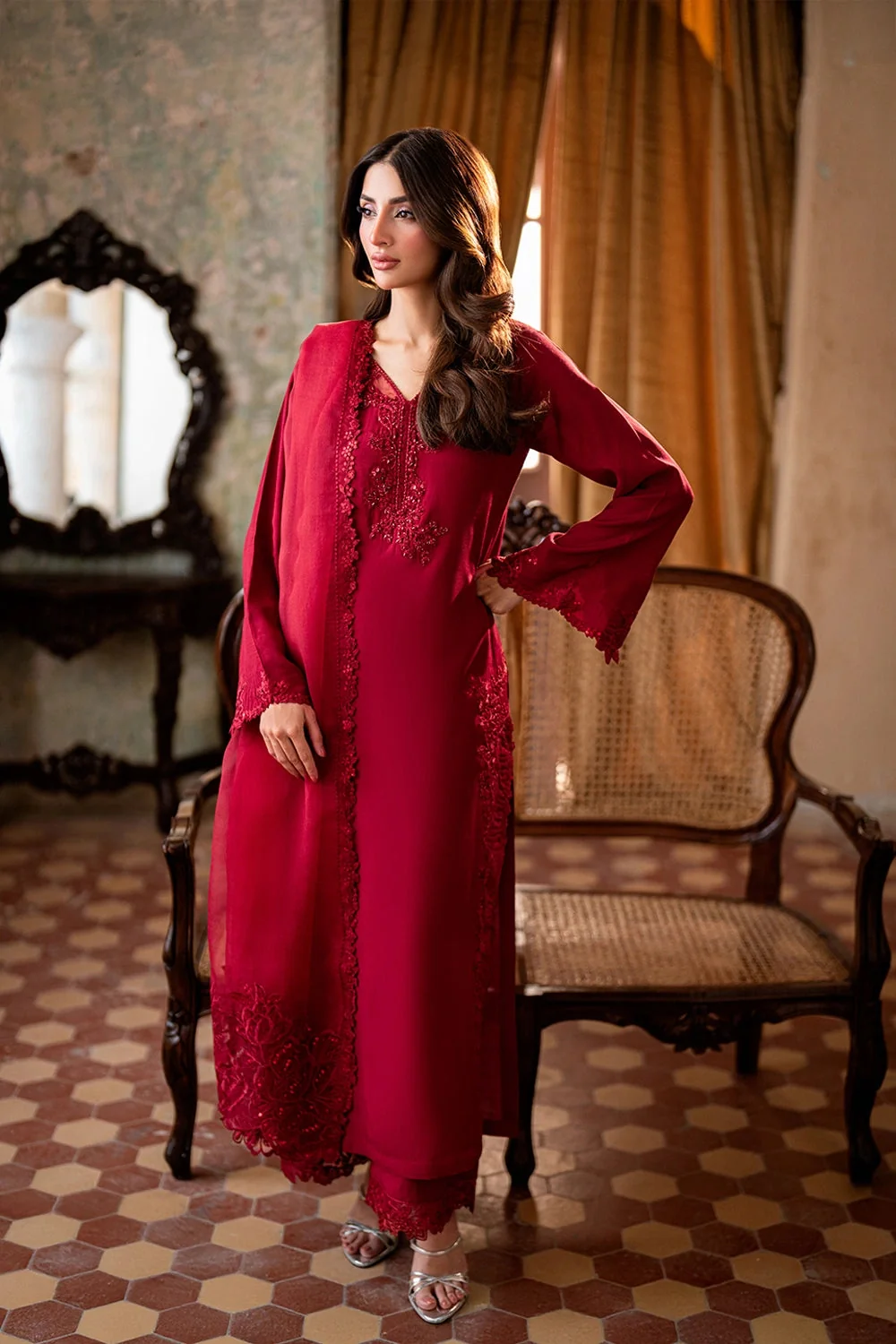
Looking at modern fashion references can help you recognize how intentionally oversized pieces are typically styled. The important question isn’t whether the seam sits exactly on the shoulder, but whether the garment’s proportions look coherent overall.
A structured blazer and a casual sweatshirt shouldn’t be judged by the same shoulder standard.
Check the Chest and Upper Back Together
Shoulder width doesn’t exist in isolation. A garment that is too broad may also create excess fabric around the upper back, armholes, and chest.
Comparing silhouettes through garment styling examples may help train your eye, but physical comfort matters too. Reach forward and raise your arms to make sure a smaller size wouldn’t restrict movement.
| Observation | Likely Interpretation | Useful Check |
|---|---|---|
| Seam slightly below shoulder | Possibly relaxed cut | Inspect overall silhouette |
| Seam far down upper arm | Garment may be too wide | Try smaller size |
| Chest also looks loose | Overall size may be large | Compare full fit |
| Shoulder fits but sleeve is long | Sleeve issue | Consider alteration |
Know When Alterations Make Sense
Shortening sleeves is generally a more straightforward alteration than rebuilding shoulders. Significant shoulder changes can affect the sleeve head, armhole, lining, and overall structure.
For inexpensive casual clothing, replacing the garment may make more financial sense than complex tailoring. For a well-made jacket or sentimental piece, an experienced tailor can explain what is realistically possible.
Broader appearance inspiration can also help when coordinating structured shoulders with hair, accessories, and neckline choices so the upper body looks balanced.
What People Often Misread About Shoulder Fit
The biggest mistake is assuming every seam must sit exactly at the shoulder bone. That rule works for many classic shirts and tailored jackets, but not for garments intentionally designed with dropped shoulders.
The opposite mistake is ignoring extreme shoulder width because the garment is labeled “oversized.” Oversized clothing still needs deliberate proportions.
Look at the neckline, chest, sleeves, and total length together. A convincing relaxed fit looks purposeful instead of appearing as though the wearer borrowed the wrong size.
Frequently Asked Questions
Can shoulder seams be altered by a tailor?
Yes, but major shoulder alterations can be complex because they affect sleeves and armholes. Minor adjustments may be possible, though the cost and practicality depend on garment construction.
Where should a shirt shoulder seam sit?
For a conventional fitted shirt, it generally sits near the natural shoulder point. Relaxed and drop-shoulder designs intentionally place it farther down the upper arm.
Should I size down if the shoulders look too wide?
Only if the rest of the garment also benefits from a smaller size. Check chest room, sleeve mobility, and length before deciding, particularly with intentionally oversized clothing.
Judge the Whole Upper-Body Fit
Use shoulder seams as a diagnostic clue rather than an isolated rule. If a classic garment also looks loose through the chest and back, trying a smaller or narrower cut makes sense.
If the piece was designed with dropped shoulders, focus on whether the silhouette appears intentional. Correct sizing is less about hitting one exact seam position and more about creating balanced proportions throughout the garment.