
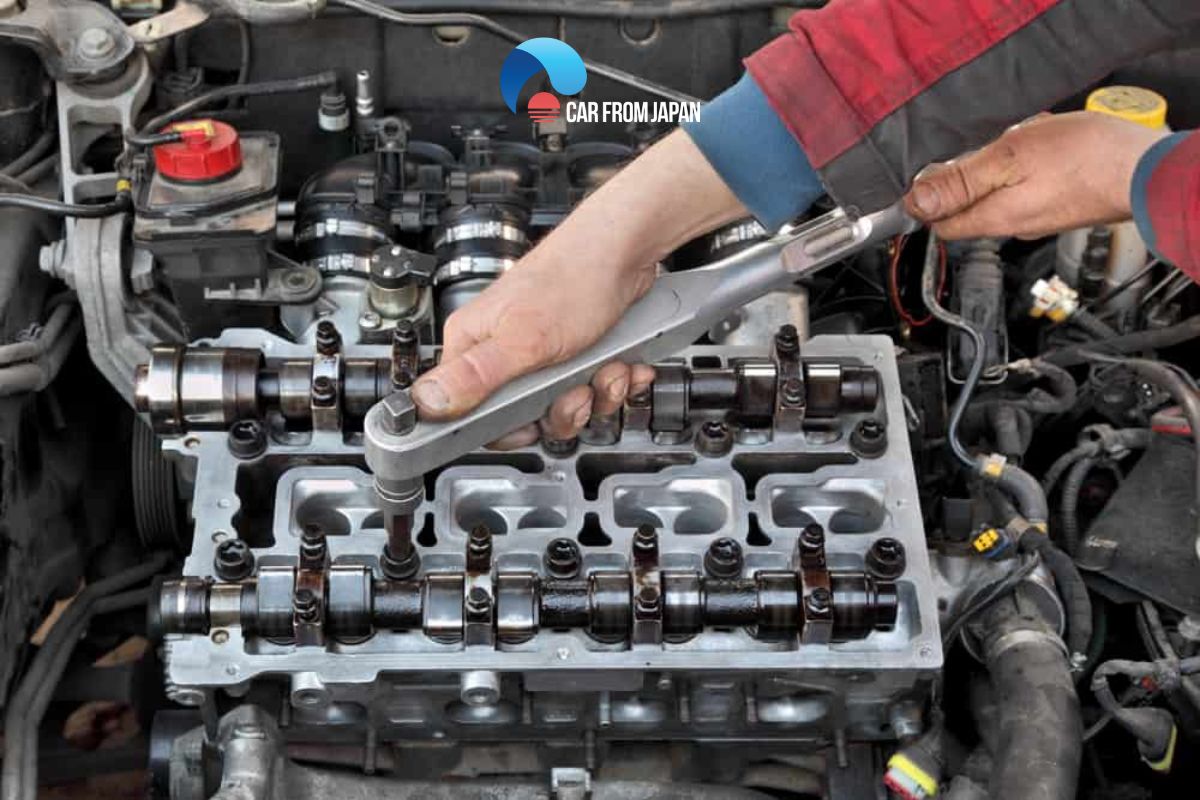
An engine misfire happens when one or more cylinders fail to produce normal combustion. Drivers may notice shaking, hesitation, weak acceleration, rough idle, or a flashing check-engine light. Ignition faults are common causes, but fuel, compression, air leaks, and mechanical problems can create the same basic symptom, so testing should come before parts replacement.
Start With the Cylinder That Is Actually Misfiring
Modern engine controls can often identify a misfire pattern and store a diagnostic trouble code associated with a particular cylinder or with random misfires.
That information provides a starting point, not a guaranteed diagnosis. Drivers researching common automotive faults should remember that a cylinder-specific code tells you where combustion is failing rather than which exact component caused the failure.
Compare Components When Appropriate
On engines with individual ignition coils, technicians sometimes move a suspected coil to another cylinder and see whether the misfire follows it. Similar comparison methods can help isolate certain spark-plug or injector faults.
Any swap test must be performed correctly for the engine design.
Ignition Problems Are Frequent Misfire Causes
Spark plugs operate under demanding conditions, particularly during acceleration. Excessive plug wear, incorrect gaps, damaged insulators, weak coils, moisture, or poor electrical connections can cause intermittent or constant misfires.
Ignition systems vary widely between vehicles. Studying engine ignition concepts may provide useful background, but a code scan, visual inspection, spark-related testing, and manufacturer specifications are needed before condemning a coil or plug.
| Misfire Clue | What It Suggests | Useful Follow-Up |
|---|---|---|
| One cylinder repeatedly | Localized fault | Compare plug/coil/injector |
| Several cylinders | Shared system issue | Check air and fuel |
| Worse under load | Ignition or fuel weakness | Test during acceleration |
| Constant rough running | Mechanical possibility | Compression testing |
Fuel Delivery Can Mimic an Ignition Failure
A clogged or electrically failed injector can prevent a cylinder from receiving the correct amount of fuel. Low overall fuel pressure may affect multiple cylinders, particularly when demand increases.
Vacuum leaks may also create a lean mixture that contributes to misfiring. General maintenance and repair topics can help owners understand why neglected components matter, but injector balance, fuel pressure, and intake-system testing provide stronger evidence when tracking down a stubborn misfire.
Compression Problems Require a Different Repair Path
If spark and fuel appear normal, the cylinder may have a mechanical problem. Low compression can result from valve sealing problems, piston or ring damage, head-gasket failure, valve-timing issues, or other internal faults.
Compression and leak-down testing can reveal whether the cylinder holds pressure normally. These tests keep technicians from repeatedly replacing ignition parts when the real problem is mechanical.
Mechanical faults can also be accompanied by unusual noises, coolant loss, oil consumption, or other symptoms.
Why Replacing Every Coil Isn’t Always the Answer
A misfire code often leads owners to purchase an ignition coil immediately. That can work when testing confirms a failed coil, but it wastes money if the problem is an injector, vacuum leak, wiring fault, damaged plug, or low compression.
Another mistake is continuing to drive while the check-engine light flashes. Severe misfiring can send unburned fuel into the exhaust, potentially overheating and damaging the catalytic converter. Address an active misfire rather than waiting for it to disappear.
Frequently Asked Questions
Can a bad ignition coil cause an engine misfire?
Yes. A weak or failed ignition coil may prevent reliable spark in its cylinder, creating rough running and a misfire code. Testing or a controlled component swap can sometimes confirm the coil before replacement.
Can fuel injectors cause cylinder misfires?
Yes. An injector that is clogged, electrically faulty, or otherwise unable to deliver the correct fuel amount can cause a cylinder to misfire. Fuel-pressure problems can also affect several cylinders at once.
Is it safe to drive with a flashing check-engine light?
A flashing check-engine light commonly indicates an active problem severe enough that continued driving may damage the catalytic converter. Reduce unnecessary driving and have the vehicle diagnosed promptly, particularly if it is shaking or losing significant power.
Find the Cause Before Damage Spreads
Cylinder misfires are best handled methodically: identify the affected cylinder, inspect ignition components, verify fuel delivery, and test compression when necessary. Don’t treat a trouble code as a parts order. Fixing the actual combustion problem promptly can restore smooth operation while reducing the chance of catalytic-converter or engine damage.