
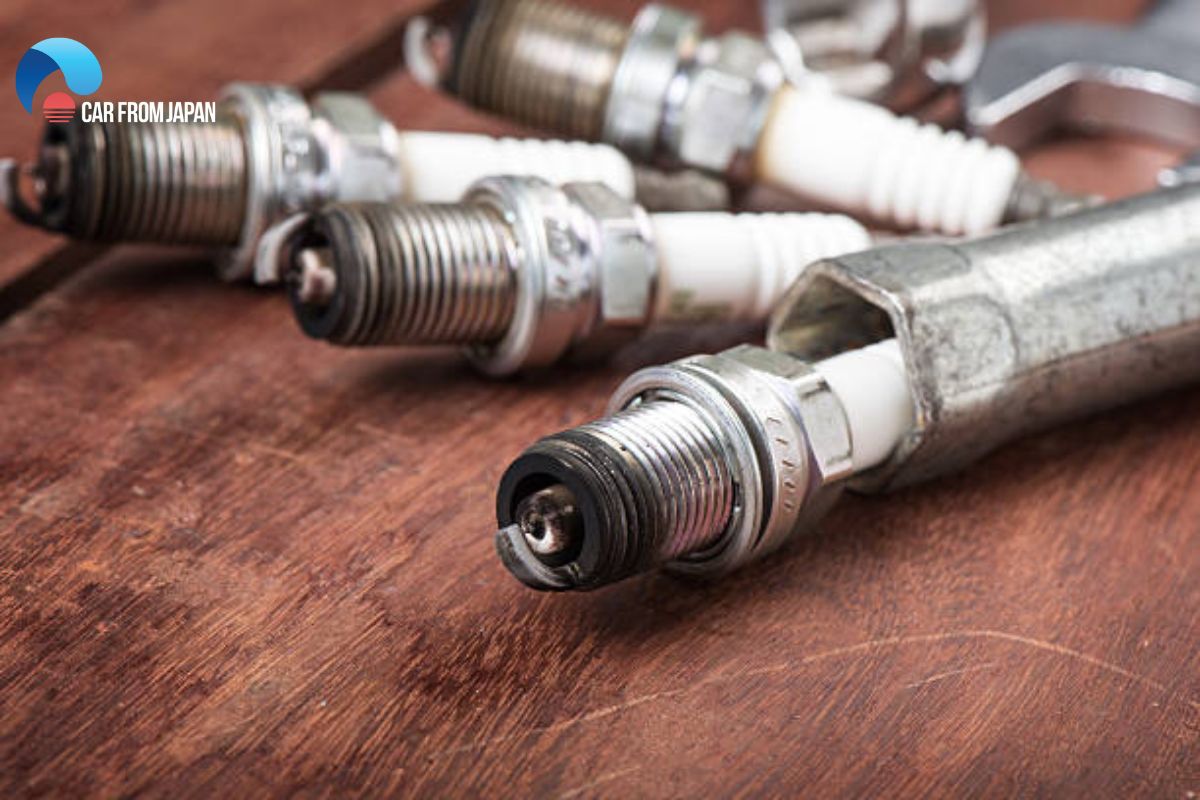
Gasoline engines depend on properly functioning spark plugs to ignite the air-fuel mixture inside their cylinders. Worn spark plugs can contribute to weak ignition, misfires, rough running, reduced performance, and inefficient combustion when they deteriorate beyond their useful condition.
Replacement isn’t about installing expensive performance plugs. The priority is using the correct specification and service procedure for the engine.
What Happens as Spark Plugs Wear
Each spark plug repeatedly creates an electrical arc across a small gap. Over thousands of combustion cycles, electrode surfaces can wear and deposits may accumulate.
The ignition system must still create a reliable spark despite those changes. Broader engine and drivetrain information can help owners understand how combustion performance ultimately connects with the rest of the powertrain.
Different Plug Designs Age Differently
Vehicles may use conventional, platinum, iridium, or other plug designs depending on engine requirements. Their intended service intervals can differ significantly.
That is why the manufacturer’s maintenance schedule matters more than a universal mileage rule taken from another vehicle.
Symptoms That Can Point Toward Ignition Trouble
A worn plug may contribute to hesitation, rough idle, difficult starting, or misfire under load. Fuel economy may also worsen if combustion isn’t occurring consistently.
These symptoms aren’t unique to spark plugs. Owners following garage troubleshooting topics should treat plugs as one possible cause among ignition coils, fuel delivery problems, vacuum leaks, sensor faults, or mechanical issues.
| Symptom | Possible Connection | Useful Action |
|---|---|---|
| Rough idle | Inconsistent ignition | Diagnose misfire |
| Hesitation | Spark weakness under load | Inspect ignition system |
| Hard starting | Poor combustion events | Check plugs and related parts |
| Higher fuel use | Inefficient operation | Diagnose before replacing parts |
Use the Correct Replacement Specification
Spark plug heat range, reach, thread size, electrode design, and gap requirements are engine-specific. Installing an incorrect plug can create new problems rather than solving an existing one.
People exploring car tuning and engine topics may encounter many plug recommendations, but a standard road vehicle should normally follow the manufacturer’s specification unless a legitimate engine modification requires something different.
Installation technique matters too. Cross-threading a plug or using improper tightening force can damage cylinder-head threads or the plug itself.
Where Parts-Swapping Goes Wrong
Replacing plugs because the engine runs poorly may be reasonable when they are due for service, but it isn’t a substitute for diagnosis. A new set of plugs won’t repair a failing coil, injector problem, compression loss, or incorrect air-fuel measurement.
Another common error is assuming a plug that looks unusual automatically identifies one specific failure. Deposits and wear patterns can provide clues, but they need to be interpreted alongside the engine’s symptoms and diagnostic information.
Frequently Asked Questions
Can worn spark plugs increase fuel consumption?
They can contribute if ignition quality becomes poor enough to affect combustion or create misfires. Fuel consumption also depends on many other variables, so a noticeable increase should not automatically be blamed on spark plugs.
Should all spark plugs be replaced together?
For routine scheduled maintenance, plugs are commonly replaced as a complete set so cylinders receive components of similar age and specification. Follow the service information for the specific engine.
Can new spark plugs increase horsepower?
Replacing badly worn or faulty plugs may restore performance the engine had lost. Installing new standard plugs in an otherwise healthy engine generally shouldn’t be expected to create power beyond the engine’s normal capability.
Restore the Engine’s Intended Ignition
Spark plugs are small components, but gasoline engines rely on them every time a cylinder fires. Replace them according to the appropriate maintenance schedule and investigate ignition symptoms instead of waiting for severe misfires.
Use the specified plug type, follow correct installation procedures, and diagnose persistent problems rather than repeatedly changing parts.