
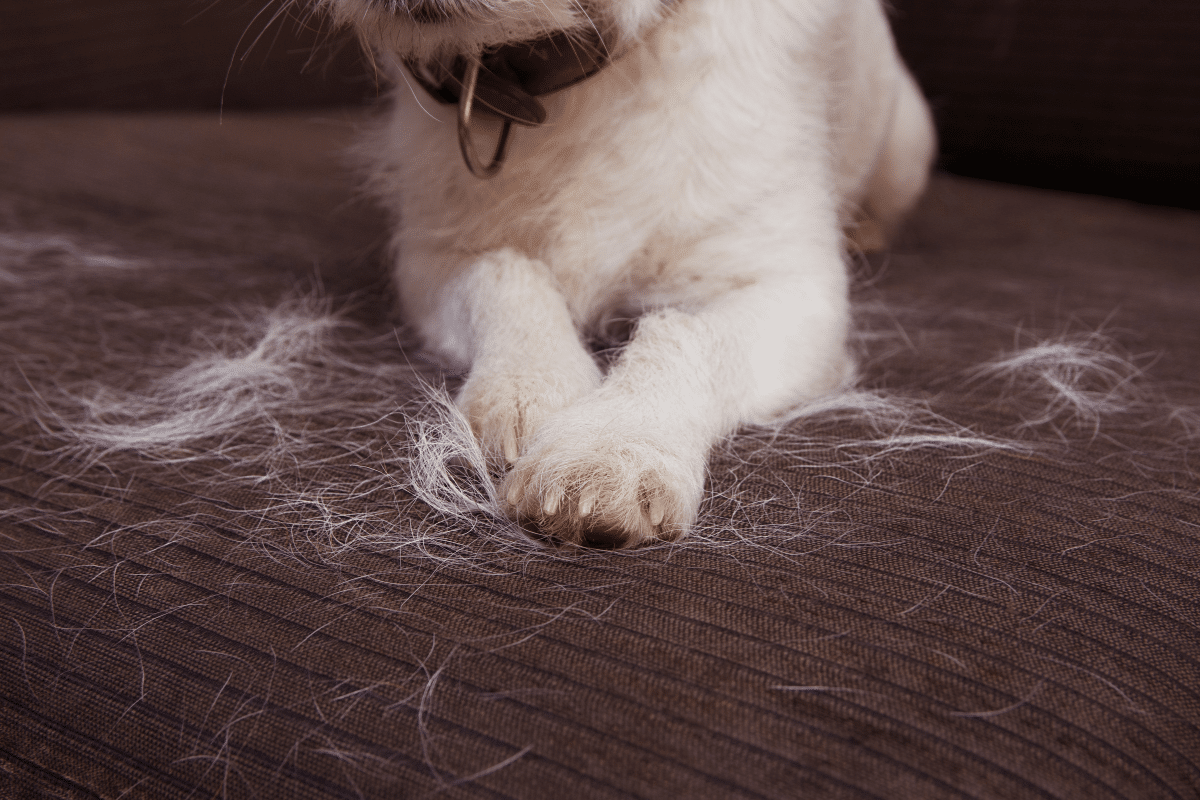
Pet hair can cling stubbornly to vehicle seats and carpeting because upholstery fibers trap loose fur during every trip. Vacuuming alone sometimes leaves behind hairs that seem woven into the material.
A faster approach is to loosen the fur first, gather it into manageable piles, and then vacuum what remains. Choosing gentle tools also helps protect the upholstery.
Why Pet Hair Becomes Difficult to Vacuum
Loose fur doesn’t always sit on top of a seat. Movement, static electricity, and repeated contact can work individual hairs between fabric fibers.
Carpeted cargo areas may hold even more hair because their rough texture provides many places for fur to catch. Short, stiff hairs can be particularly stubborn despite appearing easier to clean.
Remove Loose Debris First
Take out floor mats and remove larger objects before tackling pet hair. Ordinary dirt, crumbs, and leaves can interfere with brushes and make it harder to see where fur remains.
Loosen Fur Before Vacuuming
A rubber grooming-style tool or upholstery-safe pet-hair brush can help gather hair into lines or small piles. Work gently and test the tool on an inconspicuous area if you’re unsure how the material will react.
Among broader vehicle cleaning resources, pet-hair removal stands out because mechanical agitation is often more useful than simply increasing vacuum power.
Once the fur has been loosened, vacuum slowly using an upholstery attachment. Several controlled passes usually work better than racing the nozzle across the surface.
Use Different Techniques for Seats and Carpet
Seats need a lighter touch than durable cargo carpeting. Avoid aggressive scraping on fabric, leather, perforated upholstery, or decorative stitching.
Drivers exploring car care information should consider the material before selecting a tool. What works well on trunk carpet may scratch trim or stress delicate seat surfaces.
| Surface | Helpful Method | Avoid |
|---|---|---|
| Fabric seat | Soft rubber tool | Sharp scrapers |
| Carpet | Pet-hair brush | Excessive force |
| Leather | Damp microfiber | Stiff abrasive brush |
| Crevices | Vacuum attachment | Forcing large tools |
Reach the Hidden Collection Points
Hair accumulates around seat rails, between cushions, beneath removable mats, and along door-side seat edges. Moving adjustable seats forward and backward can expose areas that are normally hidden.
Neutral automotive web material may offer ideas across many maintenance subjects, but interior cleaning still requires attention to vehicle-specific features. Avoid disturbing wiring, electrical connectors, or seat mechanisms while cleaning beneath powered seats.
A narrow vacuum attachment can reach many crevices without pulling on components.
Common Shortcuts That Can Damage Upholstery
Strong adhesive tape can pick up hair, but highly aggressive adhesives may leave residue or affect some surfaces. Metal blades, hard scrapers, and stiff tools can snag fabric or scratch leather.
Soaking seats is another poor shortcut. Large amounts of water can penetrate cushions and take a long time to dry.
If fur has become deeply embedded, repeat the loosen-and-vacuum process rather than applying increasingly harsh force. A second controlled pass is safer than damaging the seat while trying to finish in one attempt.
Frequently Asked Questions
What removes dog hair from car seats quickly?
An upholstery-safe rubber tool can gather loose hair before vacuuming. The best method depends on whether the seat is fabric, leather, or another material.
Why won’t my vacuum remove all pet hair?
Some hairs become trapped between upholstery or carpet fibers. Loosening them mechanically before vacuuming can make removal much easier.
How can I prevent pet hair from covering my seats?
Washable seat protectors or pet covers can capture much of the loose fur. Regular grooming and frequent light cleaning also prevent large buildups.
Make Future Cleaning Easier
Pet hair becomes harder to remove when it is allowed to build up for months. A quick vacuum after frequent pet trips and a removable seat protector can reduce the amount that reaches the upholstery.
For an existing buildup, loosen the fur, collect it gradually, and choose tools suited to each surface. The fastest cleaning method is the one that removes hair without creating upholstery damage you’ll have to repair later.
