An oversized blazer can look intentional, but poor proportions often make office tailoring appear borrowed rather than relaxed. The difference usually comes down to shoulder placement, sleeve length, body volume, and what you wear underneath. Better tailoring doesn’t necessarily mean making the jacket tight. It means giving the extra fabric a controlled shape.
Decide Whether the Blazer Is Designed to Be Oversized
Some blazers are intentionally cut with dropped shoulders, extra length, and a wider body. Others are simply several sizes too large.
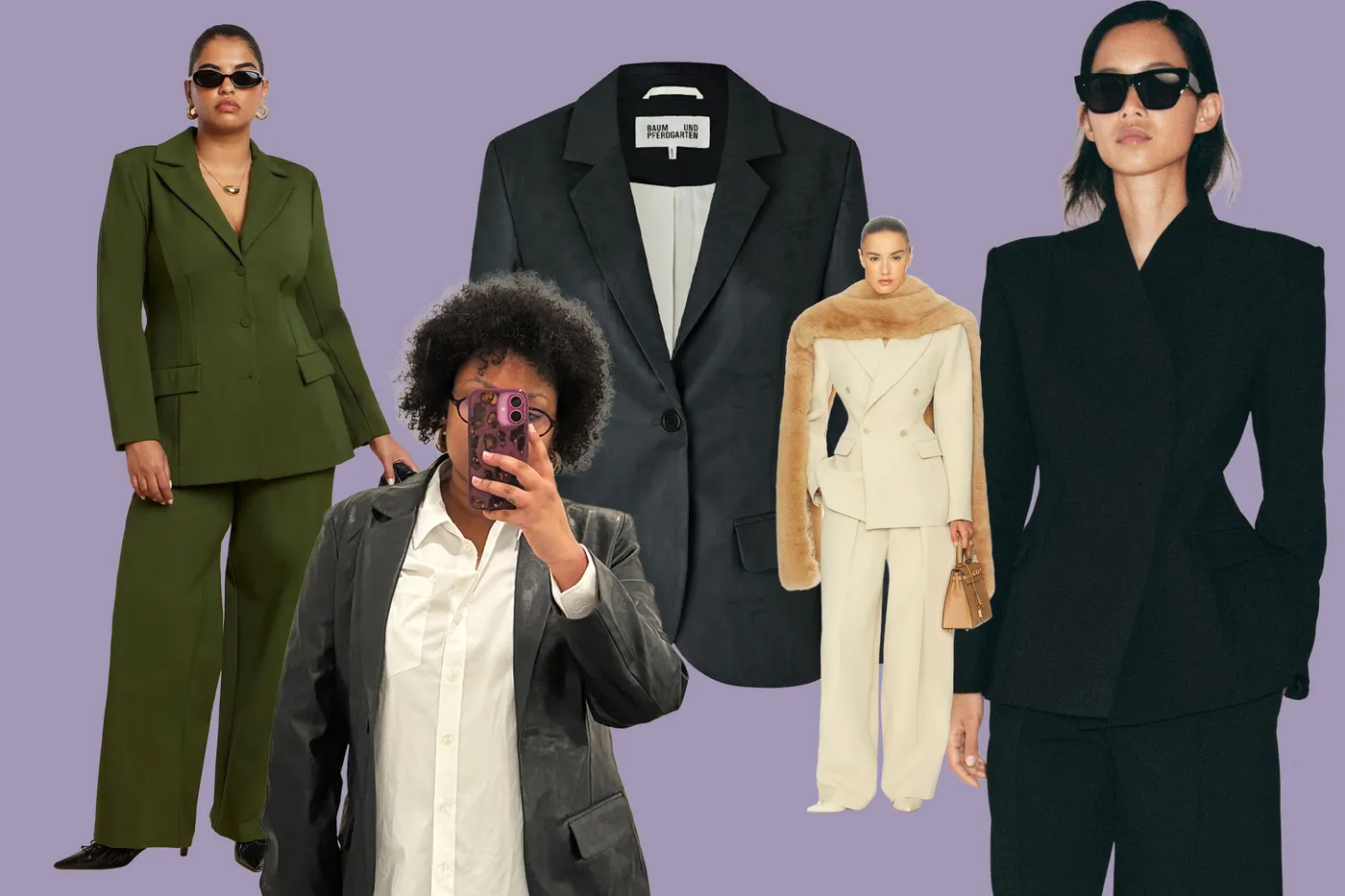
Look at product photos or garment construction if possible. Broader fashion styling references can help illustrate how intentional oversized tailoring differs from accidental poor fit, especially around the shoulders and sleeves.
Check the Shoulder Line First
Shoulders establish the jacket’s structure. A slightly dropped shoulder can work on a relaxed blazer, but excessive collapse or bunching usually looks untidy.
Heavy shoulder alteration can also be more complicated than shortening sleeves. If the shoulder fit is dramatically wrong, choosing a different blazer may make more sense than rebuilding the garment.
Adjust Sleeve Length for a Cleaner Finish
Long sleeves are one of the quickest ways to make an oversized blazer look uncontrolled. Your hands shouldn’t appear lost inside the cuffs during ordinary movement.
A tailor may be able to shorten sleeves from the cuff or shoulder depending on the construction. Browsing office wardrobe ideas may also show styling alternatives such as neatly pushed sleeves, though permanent alteration usually looks cleaner for regular professional wear.
| Fit Area | What to Check | Possible Fix |
|---|---|---|
| Shoulders | Excessive collapse | Different size or tailoring |
| Sleeves | Cuffs cover hands | Shorten sleeves |
| Body | Too much fabric | Light waist shaping |
| Length | Overwhelms proportions | Style with cleaner lower half |
Control Volume Around the Body
An oversized blazer doesn’t have to follow the waist closely, but some shaping can prevent it from looking boxy. Light suppression through the side seams may be enough.
For additional tailoring and outfit inspiration, notice how roomy jackets are often paired with simpler garments underneath. A fitted knit, clean blouse, straight trousers, or narrow skirt can provide contrast against the jacket’s volume.
Use the Buttoning Point as a Guide
Button the blazer and look at where the front closes. Pulling, twisting, or large folds may indicate that the proportions aren’t working for your body.
You don’t necessarily need to wear the blazer buttoned all day. Testing it closed still reveals whether the garment hangs correctly.
Balance the Lower Half
Wide blazers paired with wide trousers can create a strong modern silhouette, but that combination needs deliberate proportion. For a conventional office, straight-leg trousers or a cleaner skirt may be easier to manage.
Length also matters. A long blazer with cropped trousers can look different from the same blazer with full-length wide pants. Try several combinations before assuming the jacket itself is the problem.
Where Tailoring Can Become a Bad Investment
Not every oversized blazer deserves extensive alterations. Reworking shoulders, changing armholes, shortening the body, and reshaping lapels can become complicated, especially on lined jackets.
Start with simple changes that create the largest improvement. Sleeve length and mild body shaping are often more practical than major structural reconstruction. If several areas need serious work, replacing the blazer with a better starting size may produce a cleaner result with fewer compromises.
Frequently Asked Questions
How oversized should an office blazer be?
It can have visible ease through the body and slightly relaxed shoulders, but it should still allow controlled movement and maintain a recognizable jacket shape. Extreme excess may look more casual.
Can a tailor make a large blazer smaller?
Often, within limits. Sleeves and side seams may be adjustable, while major shoulder, armhole, or lapel changes can require more complicated reconstruction.
What trousers work with an oversized blazer?
Straight, tapered, slim, and wide-leg trousers can all work. Cleaner cuts make the styling easier, while wider trousers create a stronger fashion statement that may suit less conservative offices.
Tailor the Parts People Notice First
An oversized blazer doesn’t need to become fitted to look professional. Concentrate on clean shoulders, manageable sleeves, controlled body volume, and balanced proportions with the rest of the outfit. Before paying for extensive alterations, identify the two fit problems that affect the jacket most. Fixing those may be all the structure the blazer needs.