Monthly mood changes can feel confusing until their timing becomes visible. Irritability, sadness, anxiety, difficulty concentrating, or emotional sensitivity that repeatedly appears before a period may be related to premenstrual changes. Tracking the pattern can help separate a predictable cycle-linked problem from stress, depression, anxiety, sleep disruption, or other concerns that happen throughout the month.
Why Does Timing Matter So Much?
Premenstrual syndrome can include both emotional and physical symptoms. Mood swings, irritability, anxiety, sadness, fatigue, sleep changes, and concentration difficulties are among the symptoms described by the Office on Women’s Health.
The important clue is recurrence in relation to the menstrual cycle. Mood symptoms that are present almost every day require a broader evaluation rather than automatically being labeled PMS.
People exploring coping and wellbeing topics can gain useful ideas for managing stress, but cycle-linked symptoms are easier to interpret when they are recorded instead of recalled from memory weeks later.
How Should You Track Monthly Changes?
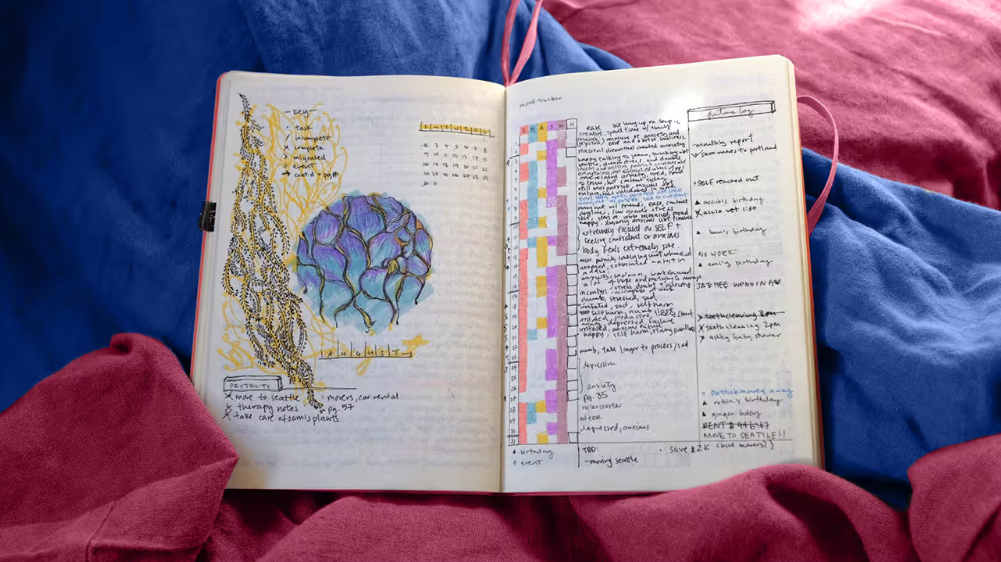
Record the first day of each period along with mood, sleep, energy, appetite, concentration, physical symptoms, and major stressful events. Keep the method simple enough that you’ll actually use it.
The Office on Women’s Health specifically recommends tracking menstrual timing and PMS symptoms such as moodiness, bloating, headaches, and breast tenderness.
| What to Track | Example | Why It Helps |
|---|---|---|
| Mood | Irritable, low, anxious | Shows timing |
| Sleep | Restful or disrupted | Reveals overlap |
| Physical symptoms | Bloating, cramps | Connects patterns |
| Daily function | Work or school impact | Shows severity |
Keeping notes alongside daily wellbeing information can help organize observations, but the useful part is consistency. A few words each day may reveal more than a detailed entry written only during difficult days.
Which Lifestyle Triggers Can Magnify Symptoms?
Poor sleep, prolonged stress, irregular routines, and low physical activity can make emotional symptoms harder to manage. Regular aerobic activity and adequate sleep are among the general measures discussed by the Office on Women’s Health for PMS symptoms.
Reading broader general wellness material may provide practical ideas for building a steadier routine. The goal isn’t to blame mood symptoms on lifestyle. Instead, notice which modifiable factors seem to raise or lower the intensity of an established monthly pattern.
PMS and PMDD Aren’t the Same Thing
Premenstrual dysphoric disorder, or PMDD, involves more severe premenstrual symptoms that substantially interfere with daily functioning. The distinction is about more than having a difficult day before a period.
MedlinePlus describes PMDD as a severe form of PMS and notes that significant mood symptoms can include depression, anxiety, irritability, and feelings of being out of control.
Where Self-Diagnosis Can Mislead
A repeating monthly pattern is useful evidence, but it doesn’t prove that hormones explain every mood change. Depression, anxiety disorders, thyroid problems, medication effects, major stress, and other conditions can overlap with menstrual symptoms.
Another mistake is dismissing severe emotional changes as something a person should simply tolerate. Symptoms that repeatedly disrupt relationships, work, school, or normal functioning deserve professional attention.
When Mood Changes Need Prompt Help
Talk with a healthcare professional if monthly emotional symptoms are severe, worsening, difficult to manage, or substantially interfere with everyday life. Bring your symptom record if possible because timing can help with evaluation.
Thoughts of self-harm or suicide require immediate support rather than waiting to see whether symptoms improve after the period begins. In the United States, call or text 988 for the Suicide & Crisis Lifeline, or seek emergency care when there is immediate danger.
Frequently Asked Questions
Can PMS cause anxiety and irritability?
Yes. PMS can involve anxiety, irritability, mood swings, sadness, and other emotional changes. The timing and degree of interference with normal life help determine whether further evaluation is appropriate.
Why should I track symptoms instead of relying on memory?
Mood can influence how previous weeks are remembered. Daily tracking provides a clearer record of whether symptoms repeatedly appear before menstruation and improve afterward or remain present throughout the month.
Can monthly mood changes be PMDD?
They can, particularly when premenstrual emotional symptoms are severe and repeatedly interfere with daily functioning. Diagnosis requires more than recognizing a few symptoms, so a clinician may review timing, severity, and alternative explanations.
Use the Pattern to Guide the Next Step
A symptom diary turns vague monthly changes into information you can use. Track timing, severity, sleep, physical symptoms, and daily impact rather than focusing on mood alone. If the pattern becomes disruptive or severe, bring that record to a healthcare professional so the next step is based on more than guesswork.
This article is for general informational purposes and is not a substitute for professional medical advice, diagnosis, or treatment.