
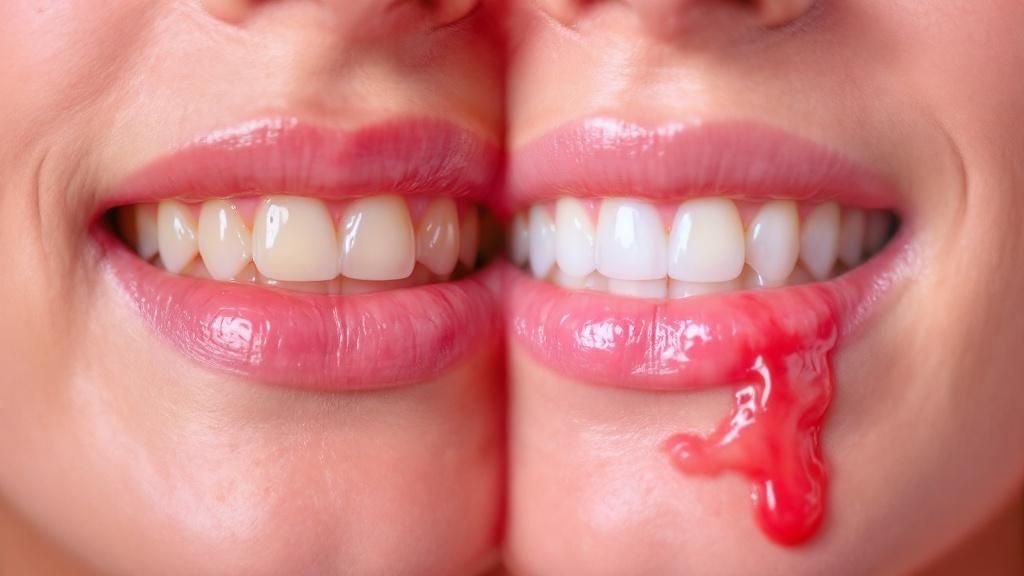
Bleeding gum problems can appear while brushing, flossing, or eating and should not automatically be dismissed as normal. Gum irritation, plaque buildup, brushing too aggressively, changes in flossing habits, medications, and periodontal problems can all play a role. The key is noticing whether bleeding is occasional or keeps returning.
What Does Repeated Gum Bleeding Suggest?
Gums may bleed when inflamed tissue is disturbed during brushing or cleaning between the teeth. Gingivitis, the early stage of gum disease, is one recognized reason.
The American Dental Association also notes that gums can bleed temporarily when someone begins a new flossing routine, while regular or concerning bleeding warrants discussion with a dentist or physician.
Clean Thoroughly Without Being Aggressive
Bleeding does not mean you should scrub harder. Excessive brushing pressure can irritate gum tissue, while ineffective cleaning can leave plaque along the gumline.
Readers may encounter nonclinical reading material while researching routines and habits. General content can help organize daily behavior, but questions about recurring oral bleeding belong with dental guidance.
| Observation | Possible Context | Useful Response |
|---|---|---|
| Bleeding with brushing | Irritation or inflammation | Review technique |
| Bleeding with flossing | Inflamed gums may contribute | Clean gently and consistently |
| Swollen gums | Gum disease possible | Arrange dental evaluation |
| Heavy ongoing bleeding | More concerning | Seek prompt advice |
Make Cleaning Between Teeth Consistent
Plaque collects in areas a toothbrush may not fully reach. Cleaning between teeth helps address those spaces, but forcing floss into the gums can cause avoidable trauma.
Advice seen on general interest pages may focus on personal routines or appearance. Oral-care decisions should instead prioritize gentle plaque removal and recommendations appropriate for your teeth and gums.
Look at the Toothbrush Too
A soft-bristled toothbrush is generally easier on gum tissue than a hard brush used with heavy pressure. If brushing repeatedly leaves the gums sore, changing technique may matter as much as changing products.
Notice Other Changes in the Mouth
Bleeding becomes more meaningful when it occurs with gum swelling, tenderness, persistent bad taste, bad breath, recession, or teeth that feel different when biting. These additional signs can give a dentist more information about the condition of the supporting tissues.
Browsing consumer content sites cannot show what is happening beneath the gumline. A professional examination can assess areas that are difficult to judge from symptoms alone.
Common Assumptions That Cause Problems
One mistake is stopping all cleaning because the gums bleed. If plaque-related inflammation is contributing, abandoning oral hygiene can allow buildup to continue. Cleaning should still be gentle rather than forceful.
The opposite mistake is assuming harder brushing will “toughen” the gums. Repeated mechanical irritation can make matters worse, and ongoing bleeding deserves an explanation rather than increasingly aggressive cleaning.
When Is Professional Advice Needed?
Make a dental appointment when gums bleed regularly, appear swollen or tender, or show other changes that concern you. The ADA advises professional attention when gum bleeding happens regularly or is enough to cause concern.
If bleeding is heavy or does not stop, or if you take blood-thinning medication and experience unusual bleeding, contact an appropriate healthcare professional promptly.
Frequently Asked Questions
Is occasional bleeding while flossing normal?
Bleeding can occur when beginning a flossing routine, particularly if the gums are already inflamed. Bleeding that continues regularly should be discussed with a dentist rather than treated as permanently normal.
Can brushing too hard cause bleeding gums?
Yes. Excessive brushing pressure can irritate gum tissue. A softer brush and gentler technique may help, although repeated bleeding should still be evaluated for other possible causes.
Does bleeding always mean gum disease?
No. Gum disease is one possible cause, but irritation, new flossing habits, certain medications, and other factors may contribute. The surrounding pattern and dental examination help clarify the cause.
Give Repeated Bleeding a Clear Next Step
Healthy gums should not routinely bleed every time you clean your teeth. Improve technique, clean gently and consistently, and pay attention to swelling, tenderness, recession, or other changes. If the bleeding keeps returning, arrange a dental assessment rather than changing products repeatedly and hoping the symptom disappears.
This article is for general informational purposes and is not a substitute for professional medical advice, diagnosis, or treatment.