Poor night vision can make stairs, hallways, bathrooms, and outdoor paths harder to use safely after dark. Better lighting may improve visibility around the home, but new or worsening difficulty seeing at night should also be discussed with an eye-care professional.
The practical goal is to reduce dark transitions, glare, and hidden obstacles while determining whether an eye condition is contributing to the change.
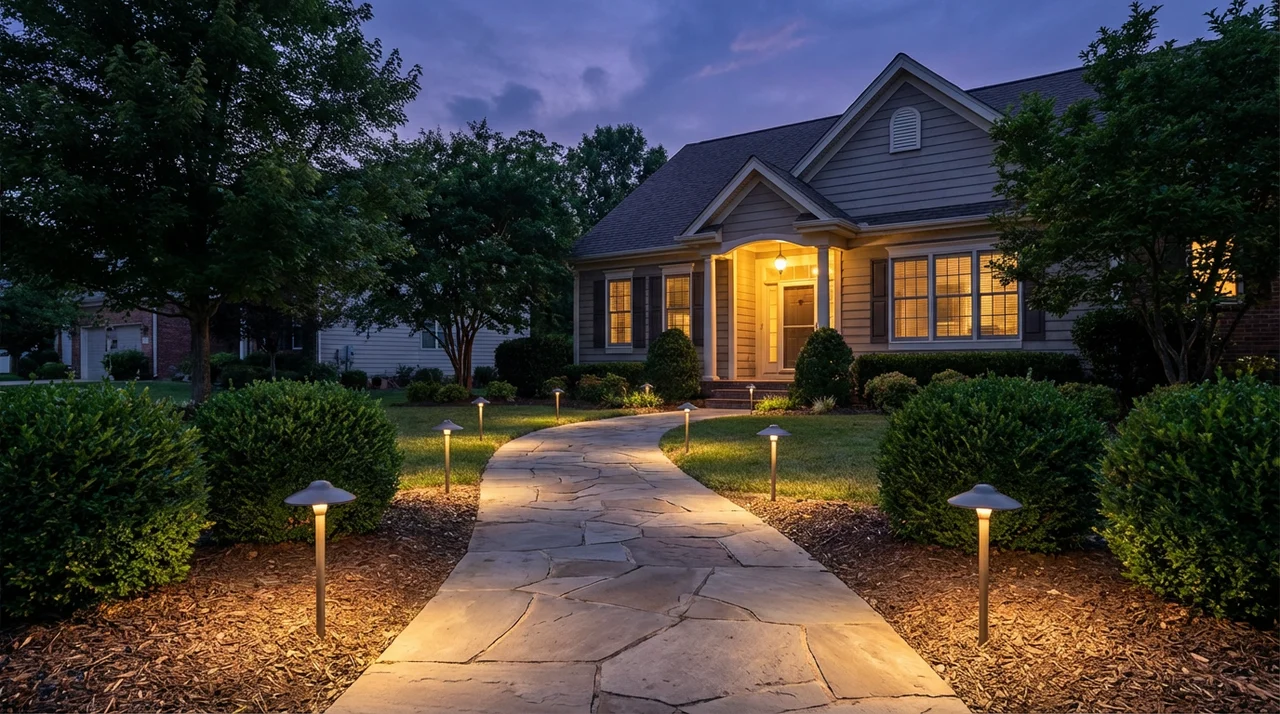
Light the Route, Not Only the Room
A bright living room doesn’t solve the problem if the hallway leading to it remains dark. Consistent lighting along commonly used paths can make transitions easier for someone whose eyes adapt slowly to changes in brightness.
People exploring general personal wellness material may focus on broader healthy habits, while night-vision problems require attention to the physical environment as well.
Pay Attention to Stairs and Thresholds
Steps deserve special attention because shadows can make edges harder to distinguish. Lighting near the top and bottom of stairs, entrances, and changes in floor level may improve visibility.
Night-lights can also help with routes to the bathroom, particularly when someone wakes from a dark bedroom and begins walking immediately.
Reduce Glare While Increasing Visibility
More light isn’t automatically better. Bare bulbs, highly reflective surfaces, or lights aimed directly toward the eyes can create glare that makes seeing more difficult.
Broader health and lifestyle reading may mention vision-friendly habits, but home lighting should be judged by how clearly it reveals obstacles without creating harsh reflections.
| Area | Lighting Goal | Potential Problem |
|---|---|---|
| Hallways | Even illumination | Dark gaps |
| Stairs | Visible step edges | Strong shadows |
| Bathroom route | Low-level guidance | Sudden darkness |
| Entryways | Clear obstacles | Direct glare |
Keep Walking Areas Predictable
Loose rugs, electrical cords, clutter, and furniture protruding into pathways can become harder to notice in dim conditions. Removing unnecessary obstacles may help compensate for reduced nighttime visibility.
Someone reading general wellness resources may encounter many suggestions for healthy aging, yet environmental changes are especially practical when poor vision affects movement around the home.
Why Brighter Bulbs Aren’t the Whole Solution
Night vision changes may result from more than insufficient lighting. Cataracts, retinal disorders, vitamin deficiencies, medication effects, and other eye or health problems can affect vision under low-light conditions.
Another common mistake is assuming that gradual change doesn’t matter. Slow vision loss may be easier to adapt to, which can delay recognition that everyday activities have become less safe.
When Night Vision Changes Need Evaluation
Arrange an eye examination if night vision becomes noticeably worse, begins interfering with driving or walking, or appears with blurred vision, flashes, new floaters, eye pain, or loss of part of the visual field.
Sudden vision loss requires urgent medical attention. The National Eye Institute provides information about low vision and eye health, including the importance of assessment when vision problems interfere with daily activities.
Frequently Asked Questions
Is poor night vision a normal part of getting older?
Some age-related changes can make low-light vision and adaptation more difficult, but noticeable or worsening night vision should not automatically be considered normal. An eye examination can help identify treatable causes.
Can glasses improve night vision?
Correcting an outdated prescription may help when refractive error contributes to difficulty seeing. Glasses cannot correct every cause of poor night vision, so persistent problems still need appropriate evaluation.
Should someone with poor night vision drive after dark?
If night vision makes road signs, pedestrians, lane markings, or hazards difficult to see, avoiding nighttime driving may be safer until the problem has been evaluated.
Make the Environment Easier to See
Improving lighting along hallways, stairs, bathrooms, and entrances can make nighttime movement safer, especially when glare and clutter are also reduced. Environmental changes are useful, but they shouldn’t substitute for an eye examination when vision is worsening, unexplained, or interfering with normal activities.
This article is for general informational purposes and is not a substitute for professional medical advice, diagnosis, or treatment.